
Residential plumbing work usually provides higher profit margins per job due to lower overhead and faster billing cycles, while commercial plumbing offers larger, more consistent contracts despite slower payment terms. You’ll find that residential vs commercial plumbing profitability depends primarily on your business model, as residential jobs favor speed and volume, whereas commercial projects favor scale and long-term stability. For more insights, check out What Are the Best Ways To Generate Leads For Plumbing Business in 2026?.
Plumbing work type comparison
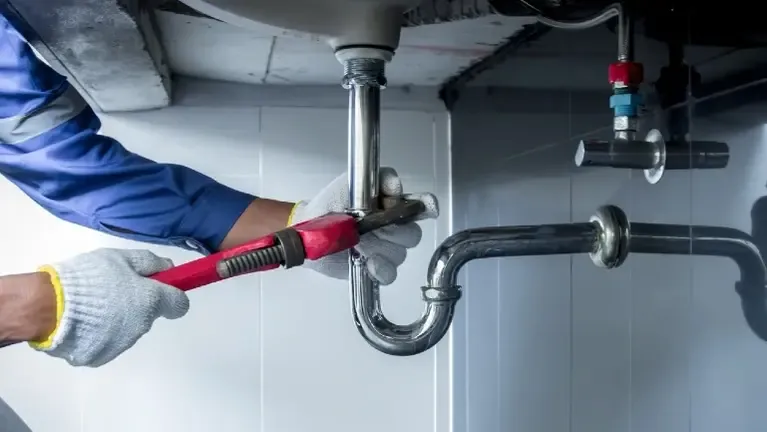
The choice between these sectors changes how you manage your cash flow and daily operations. Residential work is often reactive, meaning you solve immediate problems for homeowners, while commercial work is often planned and project-based. For more insights, check out Where To Sell Used Plumbing Supplies?.
| Method | How long | Effort | Cost | Best for |
|---|---|---|---|---|
| Residential Service | 1–4 hours | Low | Low | Quick cash flow |
| Commercial Maintenance | 1–2 days | Medium | Medium | Steady retainers |
| New Construction | Weeks/Months | High | High | Large profit chunks |
Residential service calls allow for quick turnaround times, which keeps your bank account moving. Commercial projects require more complex scheduling and often involve working with general contractors, which can delay your final payment significantly. If you have a small team, residential work is usually better; if you have a large crew and equipment, commercial work provides the scale you need to stay busy. For more insights, check out What to Know Before Starting a Plumbing Business (2026).
Residential service and repair
Residential plumbing focuses on fixing leaks, replacing water heaters, and clearing drains for private homeowners. Because these jobs are smaller, you can often complete several in one day, which helps keep your income consistent.
- Schedule the appointment window based on the homeowner’s availability.
- Perform an initial inspection to confirm the source of the plumbing issue.
- Provide an upfront price estimate before starting any physical work.
- Execute the repair using standard residential-grade materials and tools.
- Collect payment immediately upon completion of the service visit.
This model is excellent for building a local reputation and securing repeat customers. Its main weakness is the unpredictability of demand, as service calls can fluctuate wildly depending on the season or local economic conditions. If you lack the proper licensure for your state, you can’t legally perform these tasks, so check with your state board of contractors to verify your regional requirements for professional plumbing licensing.
Commercial maintenance and service
Commercial plumbing involves working in office buildings, retail spaces, or industrial facilities. These jobs are often more urgent because a plumbing failure can shut down a business, costing the client significant money every hour they remain closed.
- Sign a service level agreement that defines your response time for emergencies.
- Conduct regular preventive maintenance to inspect pumps, grease traps, and main lines.
- Coordinate with building managers to minimize disruption during business hours.
- Document all repairs in a detailed log for the facility owner’s records.
- Submit invoices through the client’s corporate accounts payable department.
Commercial work is great for predictable monthly income through retainer contracts. The primary weakness here is the “net-30” or “net-60” payment terms, which means you might wait months to see the cash from a job you finished weeks ago.
New construction projects
New construction is the process of installing plumbing systems in buildings that are still being built. This is a high-stakes environment where you work closely with architects and general contractors to meet strict deadlines.
- Review blueprints to calculate the exact pipe layout and fixture requirements.
- Install rough-in piping before the walls are closed by other trades.
- Pass mandatory inspections at each stage of the construction process.
- Install finish fixtures like sinks and toilets after the painting is done.
- Complete the final system test to ensure there are no hidden leaks.
This method is ideal for companies with large crews and the ability to manage complex logistics. The weakness is the extreme financial risk, as a single delay by another trade can push your payment back by months. If you’re doing this for the first time, start with small renovations rather than massive high-rise projects to learn the pace.
Choosing between residential and commercial plumbing profitability
When you’re in a hurry, residential service is the clear winner because you get paid as soon as the job is done. If you’re doing this for the first time, residential work is also better because the systems are simpler and the tools are standard, making it easier to learn the ropes without high-pressure deadlines. When you want the best possible result whatever it takes, commercial projects offer the highest potential revenue, but they require a massive amount of capital to cover your expenses while you wait for slow corporate payments. Your profitability is a trade-off between the fast, small margins of home repair and the slow, large payouts of commercial construction. You must decide if you prefer the financial stability that comes with immediate payment or the prestige and scale of large commercial contracts.
Rules for plumbing profitability
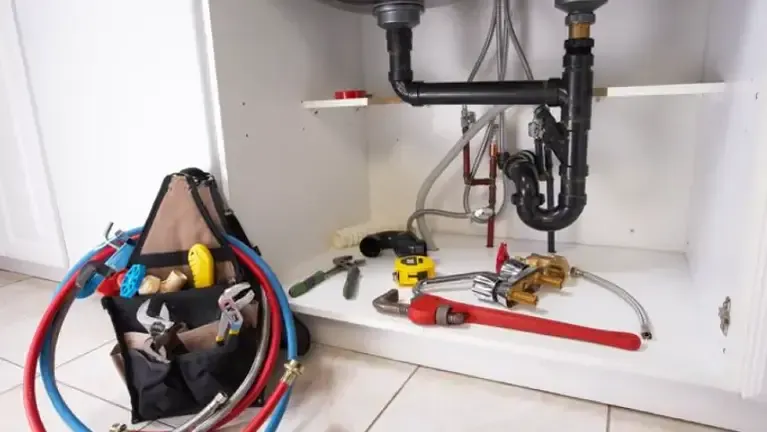
Regardless of your chosen sector, you must maintain a strict overhead-to-revenue ratio to keep the business profitable. The primary limit is your “billable hours” percentage, which varies by the size of your team and the efficiency of your dispatch system. You can read your own value by tracking the time your technicians spend driving versus the time they spend with tools in their hands. Always prepare for job costs by adding a 10-15% buffer for unexpected parts or supply price increases. Check your work against local building codes partway through every project to avoid expensive rework later. At the end of every job, perform a final walkthrough with the client to ensure satisfaction, which helps you avoid costly callbacks and protects your reputation.
Frequently asked questions
Can I do both residential and commercial plumbing?
Yes, many companies do both to balance their cash flow, but you’ll need different equipment and skill sets for each. Residential work requires more customer service skills, while commercial work demands knowledge of complex piping systems and industrial-grade tools. Most shops start in one and expand into the other later.
How long does it take to get paid in commercial plumbing?
It typically takes 30 to 90 days to receive payment, depending on the terms of your contract. Unlike residential work, where you collect on the spot, commercial clients often use corporate accounting systems that process invoices on a slow, fixed schedule. Always verify these terms before you sign a bid.
Is it safe for a beginner to start with commercial plumbing?
No, it’s generally not recommended for a beginner because of the high financial risk and technical complexity. Commercial systems involve heavy machinery and strict code requirements that leave little room for error. Most professionals advise starting with residential service to build your skills before taking on commercial work.
What happens if I miscalculate a commercial bid?
You’ll likely lose money on the project because commercial contracts are often fixed-price and very rigid. If you underestimate the labor or materials, you can’t simply raise the price later, which can quickly drain your business savings. Always pad your estimates to cover potential site delays.
How much equipment do I need to start?
You need a basic set of hand tools, a drain machine, and a reliable service vehicle to start, which can cost anywhere from a few thousand to tens of thousands of dollars. The exact amount varies based on the type of work you target; residential service requires less specialized gear than commercial plumbing.
Why is residential plumbing more profitable per hour?
Residential work is more profitable per hour because the overhead costs are lower and you don’t have to wait for corporate payment cycles. You can charge a premium for the convenience of immediate service, and you avoid the intense competition and thin margins often found in large-scale commercial bidding.
Conclusion
The best way to ensure long-term success is to monitor your profit per job closely rather than just looking at the total revenue. If you focus on high-margin service calls while slowly building a reliable commercial client base, you’ll create a resilient business that can survive even when one sector of the market slows down.