
You can land a steady stream of work by building a professional reputation and submitting accurate, competitive bids to get commercial plumbing contracts. Success relies on your ability to prove you meet strict insurance requirements and can handle large-scale systems without causing downtime for a business. For more insights, check out How Can I Convert More Leads Into Customers For Plumbing Business.
These contracts differ from residential jobs because they require specialized licensing, high-level safety certifications, and deep pockets to cover upfront material costs. Your success depends on your ability to manage these financial and logistical hurdles. For more insights, check out How Can I Improve Customer Satisfaction and Retention for Plumbing Business?.
Finding Commercial Plumbing Clients
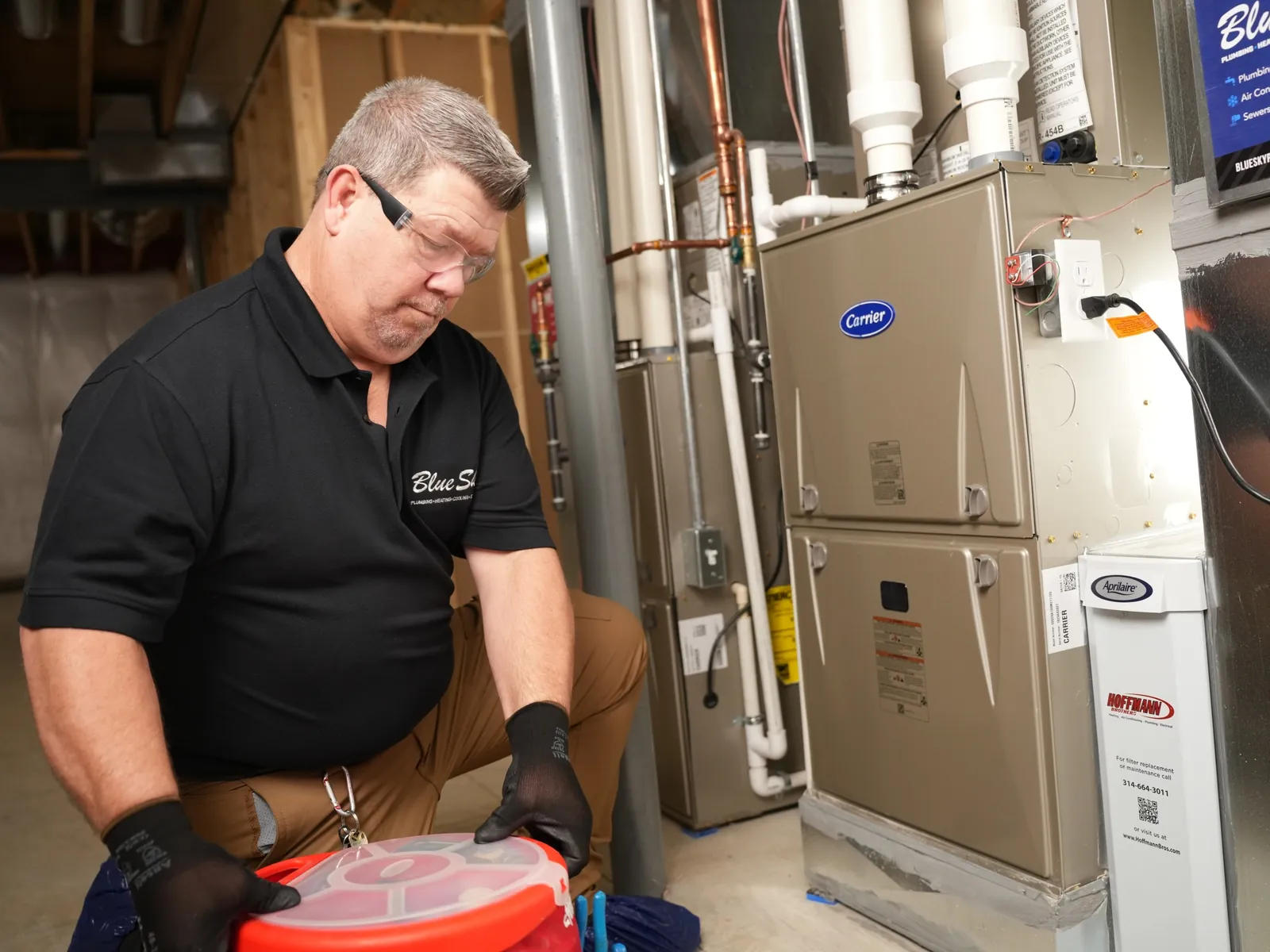
Building a client base for commercial work requires moving away from the “emergency repair” model used in homes and toward a “preventative maintenance” model. Most business owners want a plumber who prevents disasters before they happen, not just one who fixes leaks at midnight. You need to target property management firms, general contractors, and facility directors at hospitals or large office buildings. These people value reliability and insurance coverage over the lowest possible price. For more insights, check out How Can I Integrate Online Payment Options into a Plumbing Website?.
This page serves the experienced residential plumber who wants to scale up their business. It assumes you already have a valid master plumber’s license and the necessary tools for large-scale pipework. If you’re a new apprentice, you should focus on gaining field experience first, as commercial clients rarely hire firms without a verified track record of handling complex, high-pressure systems.
Factors That Change Your Success Rate
Your ability to win these contracts often comes down to your paperwork and your presentation. Commercial clients don’t hire based on a handshake; they hire based on a formal request for proposal (RFP). If your bid lacks detail, they will assume your work lacks detail, too.
- Insurance Coverage: Most commercial sites require a minimum of $1,000,000 in general liability insurance, though many large projects demand $2,000,000 or more. If you can’t provide a certificate of insurance (COI) immediately, you’ll be disqualified before the bidding process even begins.
- Bonding Capacity: Being “bonded” tells a client that a third party guarantees your work. Without a surety bond, you’ll struggle to win any government or large municipal contracts. You can check your current bonding status through your insurance provider.
- Project History: Clients want to see a portfolio of similar buildings. If you only have residential experience, start by bidding on small retail storefronts to build a reference list before moving to multi-story office complexes.
- Response Time Guarantees: Most facility managers prioritize contracts that include a 24-hour service level agreement (SLA). If you don’t have a team large enough to handle emergency calls while others are on site, you’ll lose the bid.
Steps for Winning Your First Bid
- Obtain your commercial credentials: Check with your local state licensing board to see if you need a specific commercial endorsement on your master plumber license.
- Assemble your insurance documents: Contact your carrier to ensure you have the required coverage limits for the specific project you’re eyeing.
- Identify your target buildings: Use local business directories to find property management companies that handle office parks, hospitals, or manufacturing plants.
- Register as a vendor: Many large companies and government entities require you to register on their online procurement portal before you can even view their open bid documents.
- Review the RFP carefully: Read every page of the request for proposal, paying close attention to the scope of work and the specified materials, as these determine your final quote.
- Submit a detailed bid: Create a professional document that includes your price, your timeline, your safety plan, and your list of references.
- Follow up professionally: Send a brief email or make one phone call three days after the bid deadline to confirm they received your documents.
The most common mistake is failing to account for “hidden” costs like site-specific safety training or after-hours permits. If you miss these in your math, you’ll end up paying to work on the project.
Contract Types and Requirements
| Situation | Primary Goal | Typical Cost/Time | Watch For |
|---|---|---|---|
| Retail Store | Maintenance | Low/Fast | Small profit margins |
| Office Complex | Service Contract | Medium/Ongoing | Strict access hours |
| Hospital | Specialized Repair | High/Urgent | Compliance standards |
| Government Bid | Large Project | High/Long | Extensive paperwork |
| Industrial Plant | System Upgrade | Very High/Long | Strict safety protocols |
Retail maintenance contracts rely on volume. If you can’t complete the work in under two hours, the trip charge often consumes the entire profit margin. Avoid these clients if you lack a local technician nearby.
Office complexes prioritize uptime. Use a service contract that guarantees a four-hour response window. If you fail to meet this, the penalty clauses usually trigger immediate contract termination. Always verify the building’s security clearance requirements before bidding.
Hospitals demand certified technicians. If your staff lacks specific safety clearances, the liability costs will exceed your service fees. Never accept a job here without confirming the site’s specific infection control protocols.
Government bids require rigid adherence to the scope of work. If you perform any “extra” labor without a signed change order, you won’t be paid. The decision rule is simple: if the task isn’t in the original document, stop work and request a formal amendment.
Industrial plants operate on strict safety timelines. If you miss a scheduled shutdown window, you may be liable for the plant’s lost production revenue. Always calculate the cost of a missed deadline before signing the contract. If the penalty exceeds your insurance coverage, walk away.
Standards of Professionalism
The Importance of Documentation
Experienced plumbers maintain a clear, digital trail for every interaction. When a facility manager asks for an update, you should be able to provide a status report that includes photos of the work, a list of parts used, and a clear timeline for completion. Beginners often rely on verbal updates, which leads to confusion and unpaid invoices. Always follow the OSHA construction safety standards to ensure your job site meets federal requirements, as any violation can lead to an immediate contract termination.
Managing Expectations and Scope
A professional knows how to say “no” to tasks that fall outside the contract scope. If you agree to “do a little extra” without a change order, you lose your profit. Clearly define the work in writing before you start. If the client asks for more, stop and write a change order that includes the new price and the new deadline.
Troubleshooting Common Bid Failures
| What you notice | What it means | What to do first | How to prevent it |
|---|---|---|---|
| No replies to bids | Unprofessional bid | Call for feedback | Improve document layout |
| Lost on price | Overhead too high | Review material costs | Source better suppliers |
| Rejected for safety | Lack of training | Get OSHA certified | Update safety manual |
| Missed deadlines | Poor planning | Hire more staff | Improve scheduling |
| Payment delays | Contract is vague | Send clear invoices | Use formal contracts |
When you receive no replies, check your executive summary. If it exceeds one page, busy stakeholders often skip it entirely. A common mistake is burying your unique value proposition in the middle of the document. Move your core competitive advantage to the first paragraph to ensure it’s seen.
Losing on price often stems from hidden inefficiencies rather than high material costs. If your labor hours exceed the industry standard by more than 15%, you’re likely overestimating the time required for site preparation. Use a project management tool to track actual versus estimated hours. This creates a data-backed baseline for future bids.
Safety rejections are rarely about a single incident. They occur when your safety manual lacks site-specific protocols. If you’re bidding on industrial work, ensure your documentation includes a job hazard analysis for the exact environment. A generic manual suggests you haven’t fully considered the risks of the project.
Missed deadlines usually happen because of “optimism bias” in your planning phase. If you don’t account for a 20% contingency buffer in your schedule, one supplier delay will cause a cascade failure. Always build in a buffer for material lead times.
Finally, payment delays are a symptom of poor scope definition. If your contract lacks a specific “milestone payment” schedule, you’re at the mercy of the client’s internal accounting cycle. Never start work without a signed document that defines exactly what triggers a payment.
Rules and Licensing Standards
Commercial plumbing is governed by the International Plumbing Code (IPC) or the Uniform Plumbing Code (UPC), depending on your specific state or municipality. You must verify which code your local building department enforces before submitting a bid.
A common mistake is assuming that a state-issued master plumber license grants universal authority to work on any commercial site. In reality, many cities require a separate business license specifically for commercial contractors. Failing to secure this municipal registration can result in immediate job-site shutdowns and significant fines.
To determine which code applies, check your local building department’s website for a “Code Adoption” page. If your jurisdiction uses the IPC, you’ll focus on performance-based standards; if they use the UPC, you must adhere to more rigid, prescriptive installation requirements.
The decision rule is simple: If you’re working on a building with public access, such as a restaurant or office complex, you must verify the local fire marshal’s specific amendments alongside the standard plumbing code. These amendments often dictate stricter requirements for backflow prevention and grease interceptor sizing than the base code requires.
Never rely on a general contractor’s word regarding these permits. Always contact your local building inspector’s office directly to confirm the exact permit requirements for the building type you’re targeting. Request a written checklist of required inspections for your project scope. If the office can’t provide a clear list, ask to speak with the plan examiner assigned to your specific zone. This proactive step prevents costly rework during the rough-in phase when inspectors demand changes that weren’t in your original bid.
Real Costs of Commercial Work
The cost of entering this market is higher than residential work because of the insurance and equipment requirements. You’ll spend money on professional liability insurance premiums, which are relatively inexpensive compared to the potential revenue of large-scale projects depending on your coverage limits and location.
You also need to factor in the cost of commercial-grade tools, such as heavy-duty drain cleaning machines and high-capacity water heaters, which cost significantly more than their residential counterparts. A pro-grade sectional machine alone often costs triple the price of a standard residential auger.
Time is your biggest investment, as the bidding process can take weeks of unpaid effort. Many contractors make the mistake of underestimating the administrative burden of compliance documentation. If you fail to account for these non-billable hours, your net profit margin can evaporate before you even break ground.
You must decide if your current cash flow can support the upfront material costs required for a large project. Many commercial clients don’t pay until the work is fully inspected and signed off. If your contract lacks a progress-billing clause, you’re essentially providing an interest-free loan to the property owner.
Use this simple decision rule: If the project timeline exceeds thirty days, demand a mobilization fee or monthly progress payments. If the client refuses, assume they’re cash-strapped and walk away. Protecting your liquidity is more important than landing a high-profile contract that risks your solvency. Always verify the client’s credit history through a third-party service before submitting a formal bid.
Maintaining Your Commercial Standing
Once you win a contract, your goal is to keep it by being the most reliable person on the site. Establish a routine of monthly check-ins with the facility manager to see if they have any pending plumbing concerns. If you notice a recurring issue, such as a constant drain clog, suggest a long-term solution like a scheduled hydro-jetting program. Keep your own records of every site visit, noting the equipment model numbers and the last service date. When a piece of equipment reaches the end of its manufacturer-recommended service life, provide the client with a proactive replacement quote. This turns you from a “plumber” into a “trusted partner,” which is the only way to ensure your contract is renewed year after year.
When to Hire a General Contractor
If you find yourself bidding on projects that require electrical, HVAC, and framing work, you should stop bidding alone. In these cases, you’re better off partnering with a general contractor who can handle the project management and liability for the entire site.
Attempting to manage multiple trades without the proper project management software and legal structure is a recipe for disaster. Most solo operators fail to account for the “coordination tax”—the 10 to 15 hours per week spent chasing subcontractors, scheduling inspections, and managing material deliveries. If you aren’t billing for that time, your profit margins will vanish before the drywall goes up.
If a project requires a permit that covers more than just plumbing, the job is likely too large for a solo plumbing business. A simple rule of thumb: if the permit requires a signature from a licensed GC to pull, you’re legally out of your lane. Attempting to bypass this by asking the homeowner to pull the permit is a common mistake. It leaves you without the protection of a GC’s liability insurance, putting your entire business at risk if a site accident occurs.
In those instances, offer your services as a subcontractor to a licensed general contractor instead. This allows you to focus on the plumbing work while leaving the legal and logistical headaches to someone with the correct infrastructure. You trade a higher gross revenue for a guaranteed, lower-stress net profit. Always verify the GC’s bond and insurance before signing a contract. If they can’t produce a certificate of insurance naming you as an additional insured, walk away.
Frequently asked questions
How long does it take to get a commercial plumbing contract?
It typically takes 3 to 6 months of active networking and bidding before your first commercial contract is signed. You must first establish your business entity, secure your insurance, and get on the approved vendor lists for local property management companies.
Is it safe to bid on government plumbing contracts?
Yes, it’s safe, but you must strictly follow the procurement rules published by the government agency. These contracts are highly regulated, and you must pay attention to every detail in the bid document to avoid disqualification or legal penalties.
What happens if I underbid a commercial project?
You’ll likely lose money because commercial contracts are usually “fixed-price,” meaning you can’t ask for more money if you made a calculation error. You must perform a thorough site visit before submitting any bid to ensure you have accounted for all potential obstacles.
Does it matter if I have residential experience?
It matters, but you must frame your experience by highlighting your reliability and technical skill. Focus your pitch on the fact that you have mastered complex systems and are now looking to apply that same level of care to commercial infrastructure.
How much insurance do I need?
Most commercial projects require at least $1,000,000 in general liability insurance, but many require $2,000,000. You should check the specific requirements listed in the “insurance” section of every RFP you review, as these limits vary by project size and risk.
Can I get commercial work without a master license?
No, you can’t get commercial work without a master plumber’s license in most jurisdictions. Commercial buildings have complex systems that require the oversight of a master-level professional to satisfy building codes and safety regulations.
Conclusion
Start by updating your insurance documents and building a list of local property management firms. You’ll know you’re ready when you have a clear, written profile of your business and a set of references from past high-quality work. If you find the legal requirements for a specific bid are beyond your current capacity, stop and hire a consultant to ensure your business remains compliant.